
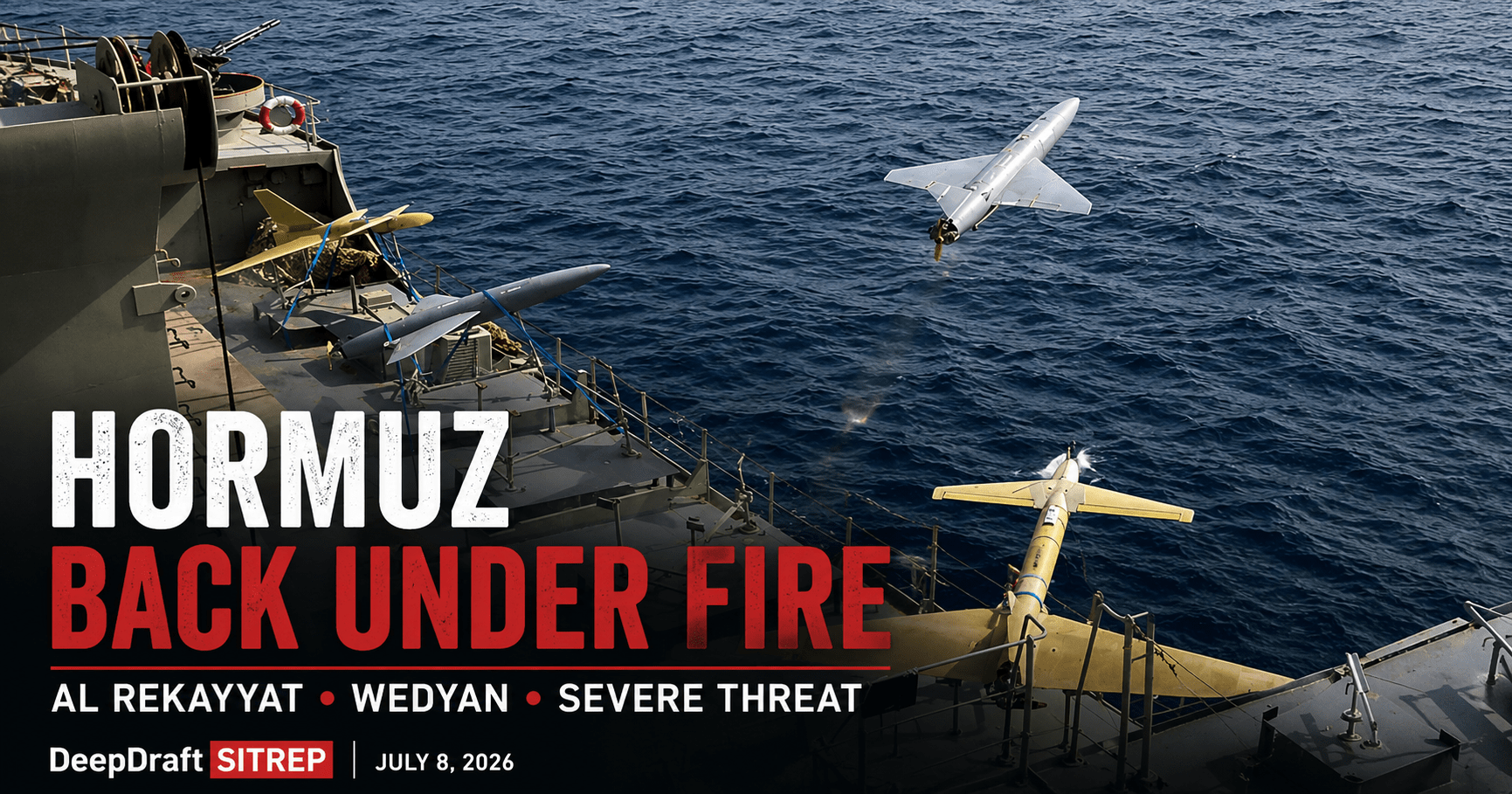
Breaking News: President Donald Trump declared the interim ceasefire with Iran "over" on July 8, 2026, following a dramatic escalation in military strikes and maritime attacks in the Strait of Hormuz. The U.S. launched over 80 airstrikes on Iranian military targets, prompting immediate Iranian retaliation and raising global oil prices.
Overview: A Day That Changed Everything
July 8, 2026, marks a critical turning point in the ongoing Middle Eastern conflict. What began as a series of maritime attacks in one of the world's most strategically important waterways—the Strait of Hormuz—escalated into a full-scale military confrontation between the United States and Iran. The fragile interim ceasefire that had held for weeks collapsed in a matter of hours, sending shockwaves through global markets and international relations.
The day's events underscore the volatile nature of the region and the precarious balance between military posturing and diplomatic negotiations. With tensions at their highest point since the initial February 2026 strikes, the world watches anxiously as both sides demonstrate their military capabilities and resolve.
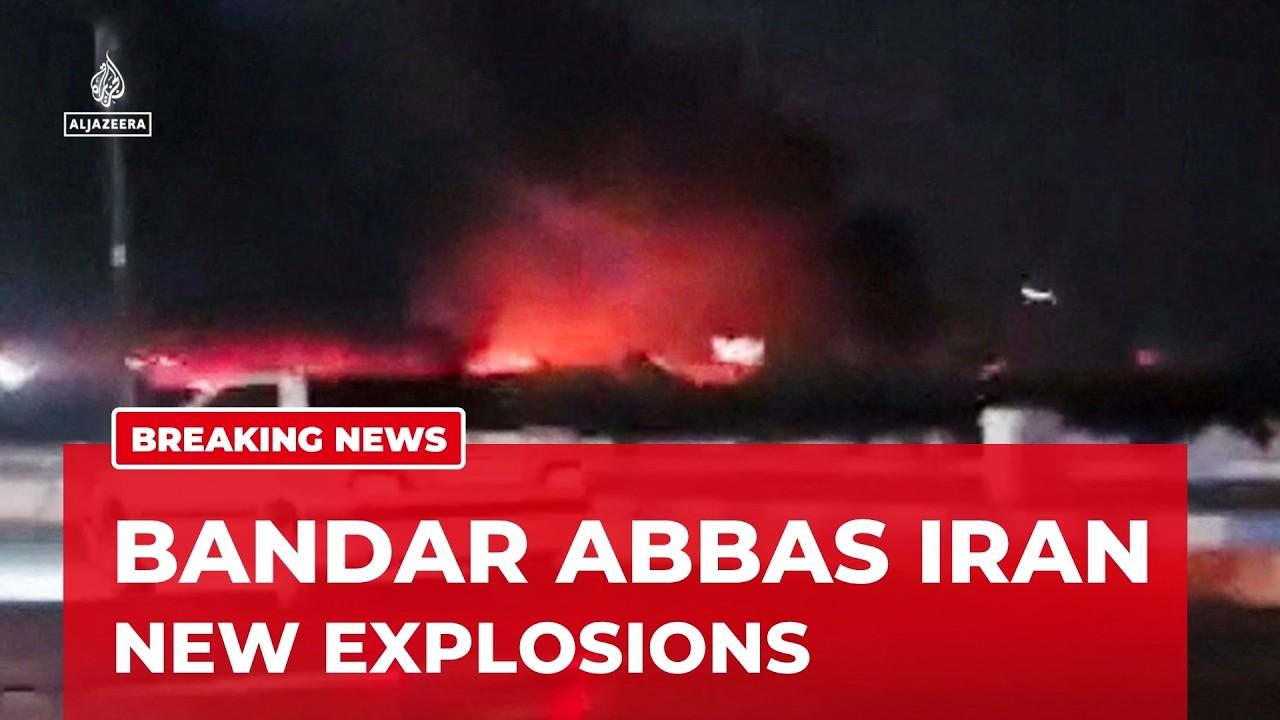
Massive explosions light up the night sky over Bandar Abbas, Iran, following U.S. airstrikes on July 8, 2026.
The Trigger: Maritime Attacks in the Strait of Hormuz
Qatari Tanker Under Attack
The immediate catalyst for the escalation was a series of attacks on commercial vessels in the Strait of Hormuz. The most significant target was the Qatari LNG carrier Al Rekayyat, a critical asset for Qatar—one of the key mediators in ongoing peace negotiations. The vessel was struck by a projectile, causing a devastating engine-room fire that threatened to trigger a catastrophic explosion.

Satellite imagery reveals the damage to the Qatari LNG carrier Al Rekayyat off the coast of Oman.
The attack on the Al Rekayyat was particularly significant because it targeted the infrastructure of Qatar, a nation actively working to mediate between Washington and Tehran. This strike sent a powerful message: Iran was willing to escalate beyond military targets to pressure regional actors and demonstrate its reach.
Key Facts About the Al Rekayyat Attack
- LNG carrier owned by Qatar, a key mediator in U.S.-Iran negotiations
- Struck off the coast of Oman in the Strait of Hormuz
- Engine-room fire posed risk of massive explosion
- Crew evacuated successfully; cargo remained secure
- First time a Qatari LNG ship has been struck since the war began in February 2026
Broader Maritime Crisis
The attack on the Al Rekayyat was not an isolated incident. Multiple commercial vessels came under fire, including tankers carrying oil and liquefied natural gas. The threat level in the Strait of Hormuz was raised to "severe," prompting a dramatic response from the shipping industry.
At least four major tankers reversed course and turned back from the strait, unwilling to risk passage through the contested waters. Three QatarEnergy LNG carriers that had not yet entered the strait were diverted, while an Indian-flagged VLCC carrying Kuwaiti crude made a U-turn near Oman. However, three other stranded crude tankers managed to exit the strait, highlighting the chaotic and unpredictable nature of maritime operations in the region.
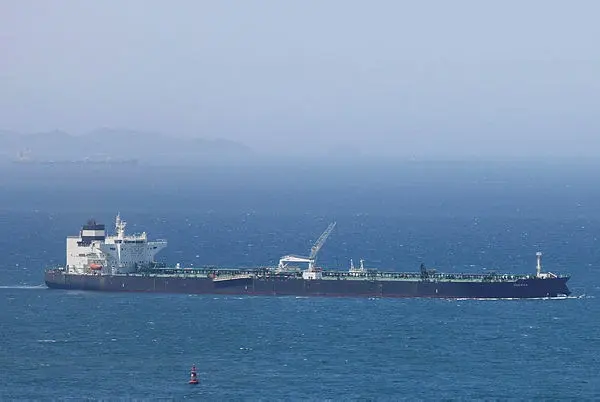
Commercial oil tankers navigate the increasingly dangerous waters of the Strait of Hormuz amid escalating tensions.
U.S. Response: Operation Escalation
Massive Airstrike Campaign
In response to the maritime attacks, the United States launched a comprehensive airstrike campaign targeting Iranian military infrastructure. The strikes were extensive and coordinated, hitting over 80 Iranian military installations across multiple locations.
| Target Location | Strategic Significance | Impact |
|---|---|---|
| Bandar Abbas | Major port city and naval base | Significant explosions and damage to military infrastructure |
| Sirik Port | Strategic coastal facility | Military installations targeted and destroyed |
| Qeshm Island | Iranian naval operations center | Extensive damage to military assets |
| Hormozgan Province | Coastal military region | Multiple military sites struck |
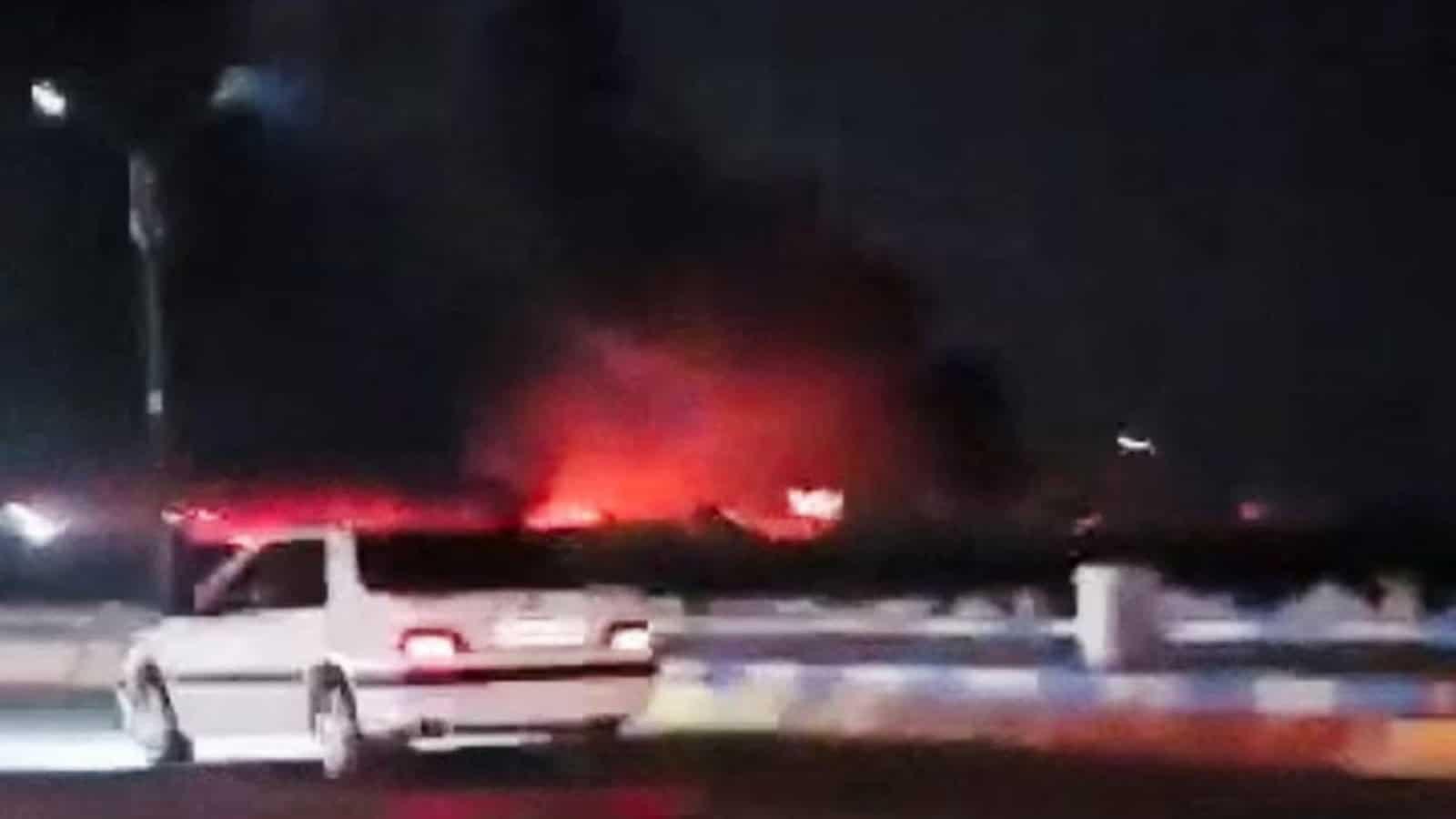
Massive explosions reported in Bandar Abbas, Chabahar, and Sirik following U.S. airstrike campaign.
Trump's Declaration
President Donald Trump made a dramatic public statement declaring the interim ceasefire agreement with Iran "over." In his characteristic style, Trump threatened further military action, stating he would "hit them hard" if necessary. However, in the same breath, he indicated that U.S. negotiators could continue talks if they wished—a signal that despite the military escalation, diplomatic channels remained theoretically open.
⚠️ Important Note: Trump's contradictory statements—simultaneously declaring the ceasefire "over" while leaving the door open for negotiations—reflect the complex dynamics of the conflict. Sources familiar with NATO talks indicated that Trump did not repeat his comments about the ceasefire being over when meeting with NATO leaders later, suggesting the situation remains fluid and potentially negotiable.
Iranian Retaliation and Regional Impact
Strikes on U.S. and Allied Positions
Iran responded swiftly to the American airstrikes with its own military campaign. The Iranian Revolutionary Guard Corps (IRGC) claimed to have targeted 85 U.S. military installations in Bahrain and Kuwait, two key U.S. allies in the region. Air raid sirens blared across both countries as the attacks were launched.
While the Iranian strikes were extensive in scope, reports suggest that the actual impact was limited. Nevertheless, the fact that Iran could strike U.S. positions across multiple countries demonstrated the reach and capability of Iranian forces, reinforcing Tehran's assertion that it could not be easily defeated through military means alone.
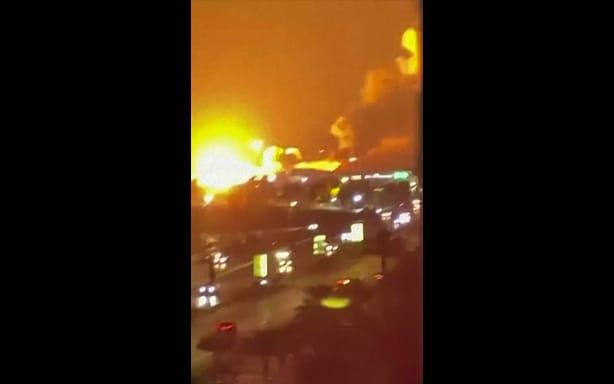
U.S. military forces conduct fresh strikes on Iranian targets as the conflict escalates.
Global Economic Consequences
Oil Market Volatility
The escalation had immediate and severe consequences for global energy markets. Crude oil prices spiked sharply following the news of the strikes and the disruption in the Strait of Hormuz. The Strait is one of the world's most critical chokepoints for global energy supply, with approximately 20% of the world's oil passing through its narrow waters.
The potential disruption to oil flows raised concerns across the globe, particularly in Asia, which relies heavily on Middle Eastern oil. Energy-dependent nations faced the prospect of fuel shortages and rationing, while oil-importing economies braced for higher energy costs that could ripple through their entire economic systems.
Tanker Exodus and Supply Chain Disruptions
The maritime crisis triggered a dramatic response from the shipping industry. With the threat level raised to "severe," major shipping companies and oil traders made the decision to avoid the Strait of Hormuz, routing vessels around Africa or waiting for conditions to stabilize. This decision, while prudent from a safety perspective, further disrupted global supply chains and increased transportation costs.
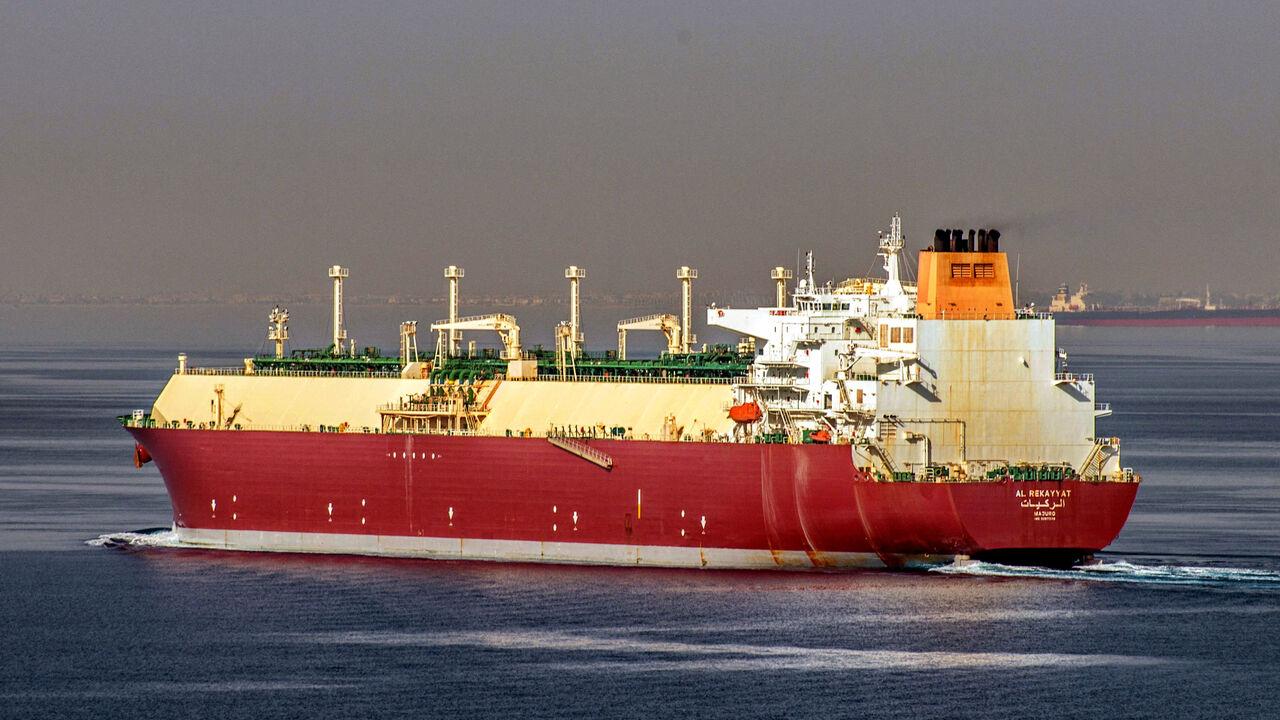
The damaged Qatari LNG tanker awaits salvage operations off Oman after the missile strike.
Strategic Implications: Escalation or Negotiation?
A Familiar Pattern
Analysts have noted that the July 8 escalation follows a familiar pattern. Iranian attacks on commercial vessels, followed by U.S. retaliation, followed by Iranian strikes on American positions—this same sequence played out in late June 2026. The question that emerges is whether this represents a genuine breakdown in the conflict or a calculated script that both sides use to stake out leverage before returning to the negotiating table.
The late-June round of strikes gave way to renewed diplomatic contacts rather than open war, suggesting that these flare-ups may serve as pressure valves ahead of more substantive negotiations. However, this round appears broader and more severe than the previous one, raising uncomfortable questions about whether the cycle can continue indefinitely without eventually breaking containment.
Pipeline Diplomacy: A New Era?
One of the most significant long-term consequences of the conflict is the acceleration of plans to bypass the Strait of Hormuz. Saudi Arabia is considering expanding its East-West pipeline by up to 2 million barrels per day, while the UAE has already completed half of a new West-East pipeline that will double crude capacity to Fujairah when operational next year.
Even more ambitiously, Israel's Energy Minister Eli Cohen is pitching a 700-kilometer link from Saudi Arabia to Eilat, connecting to the existing Trans-Israel Pipeline to Ashkelon and onward to Europe. These infrastructure projects represent a fundamental shift in how the region thinks about energy security and geopolitical risk.
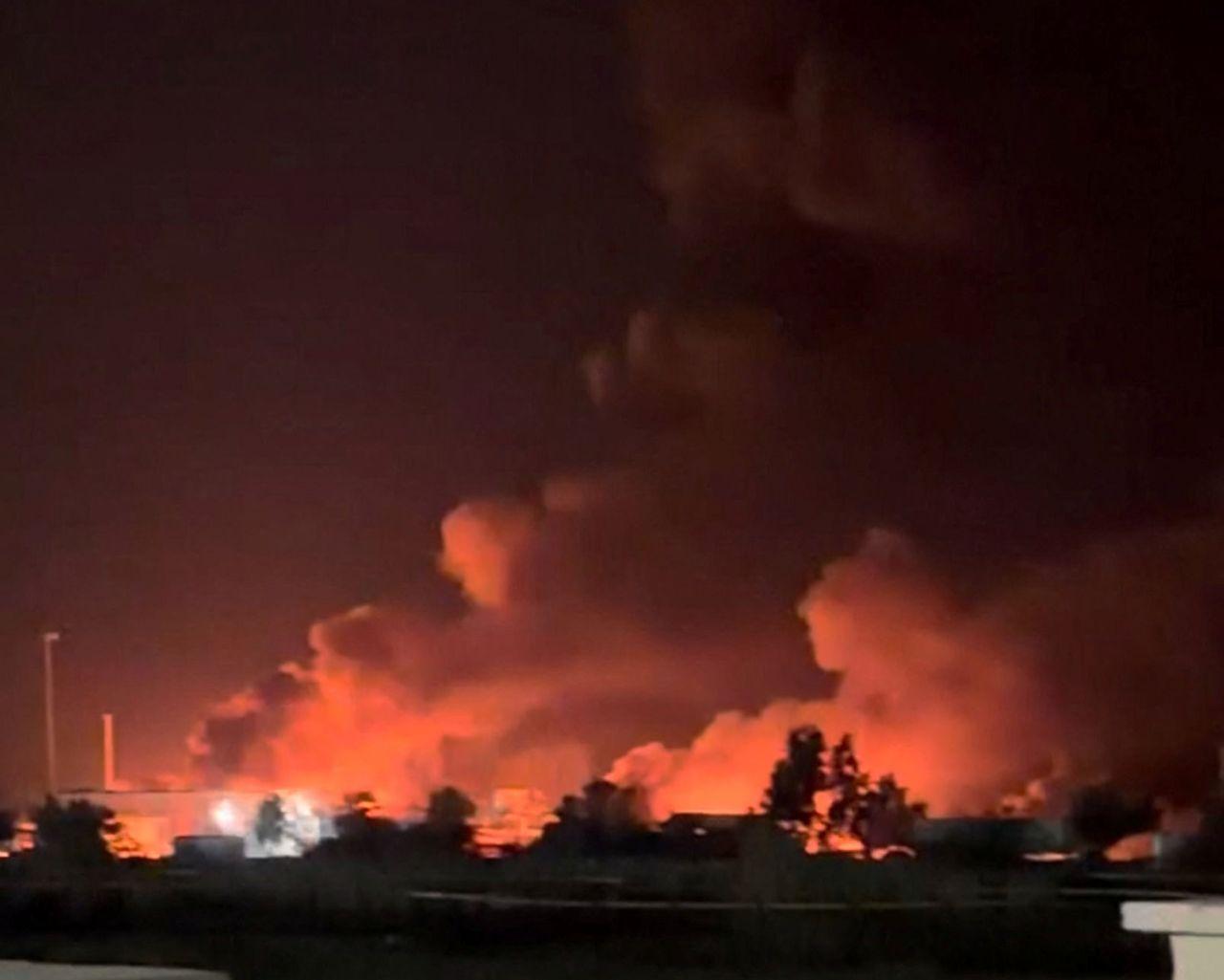
International media coverage of the U.S.-Iran escalation on July 8, 2026.
Global Conflict Landscape
Ukraine-Russia War Continues
While the Middle East captured headlines on July 8, 2026, the conflict in Eastern Europe continued unabated. Ukraine and Russia traded strikes during the NATO summit, with reports indicating that President Trump discussed providing critical missile blueprints to Ukraine to bolster their defense capabilities. The convergence of multiple regional conflicts underscores the fragmented and multipolar nature of the contemporary geopolitical landscape.
Sudan's Humanitarian Crisis
The three-year civil war in Sudan between the Sudanese Armed Forces and the Rapid Support Forces (RSF) reached a new crisis point on July 8, 2026. The United Nations warned of an impending catastrophe in the city of El Obeid, with humanitarian conditions deteriorating rapidly. The Sudan conflict, though less visible in international media than the Middle East crisis, represents one of the world's most severe humanitarian emergencies.
Looking Ahead: What Comes Next?
Uncertainty and Risk
As of July 8, 2026, the situation in the Middle East remains highly fluid and unpredictable. While Trump's comments suggest that negotiations could theoretically resume, the military escalation raises the stakes significantly. The targeting of Qatar's LNG carrier—a vessel belonging to a key mediator—suggests that Iran may be willing to disrupt the diplomatic process itself.
Structural pressures point back toward the negotiating table: oil markets have reacted sharply, mediator Qatar has every incentive to see the conflict contained, and both sides have demonstrated their military capabilities. However, the question remains: can this cycle of escalation and de-escalation continue indefinitely, or will it eventually break containment?
Key Takeaway: July 8, 2026, represents a critical inflection point in the Middle East conflict. The collapse of the interim ceasefire, combined with the escalation of military strikes and maritime attacks, has raised the risk of further escalation. However, structural pressures and the demonstrated desire for negotiations suggest that this may ultimately be positioning ahead of expected talks rather than the start of an uncontrolled spiral.
Image Gallery: Visual Documentation of July 8, 2026
Explosions in Bandar Abbas
U.S. Military Operations
Blasts in Multiple Locations
Satellite Imagery of Damage
Damaged Qatari LNG Tanker
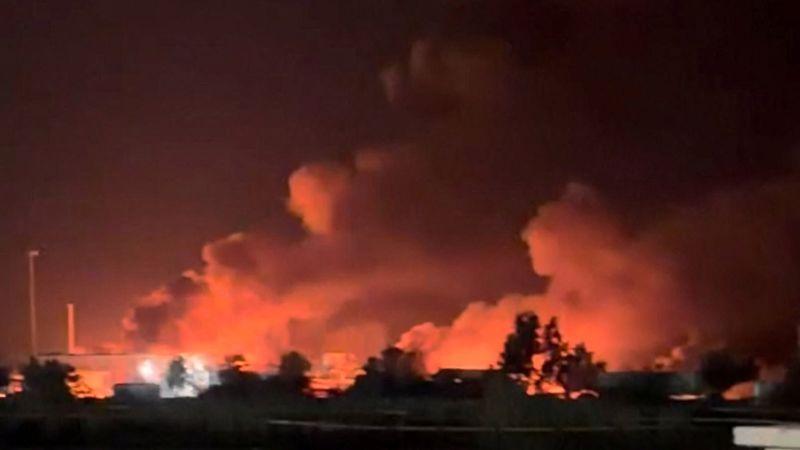
International Media Coverage
Conclusion
July 8, 2026, will be remembered as a day of dramatic escalation in the Middle East conflict. The collapse of the interim ceasefire, the extensive U.S. airstrikes on Iranian targets, and the Iranian retaliation have fundamentally altered the trajectory of the conflict. The attacks on commercial shipping in the Strait of Hormuz have disrupted global energy markets and raised concerns about the stability of one of the world's most critical waterways.
Yet despite the military escalation, the underlying dynamics suggest that both sides may still be positioning for negotiations rather than seeking total victory. The involvement of Qatar as a mediator, the structural pressures in energy markets, and the contradictory signals from President Trump all suggest that the door to diplomacy, while narrowed, remains open.
In the coming days and weeks, the world will watch closely to see whether this escalation leads to further military confrontation or whether both sides step back from the brink. The stakes could not be higher—not just for the region, but for global energy security, economic stability, and international peace.

Leave a comment
Your email address will not be published. Required fields are marked *